
Art
Art at KFS
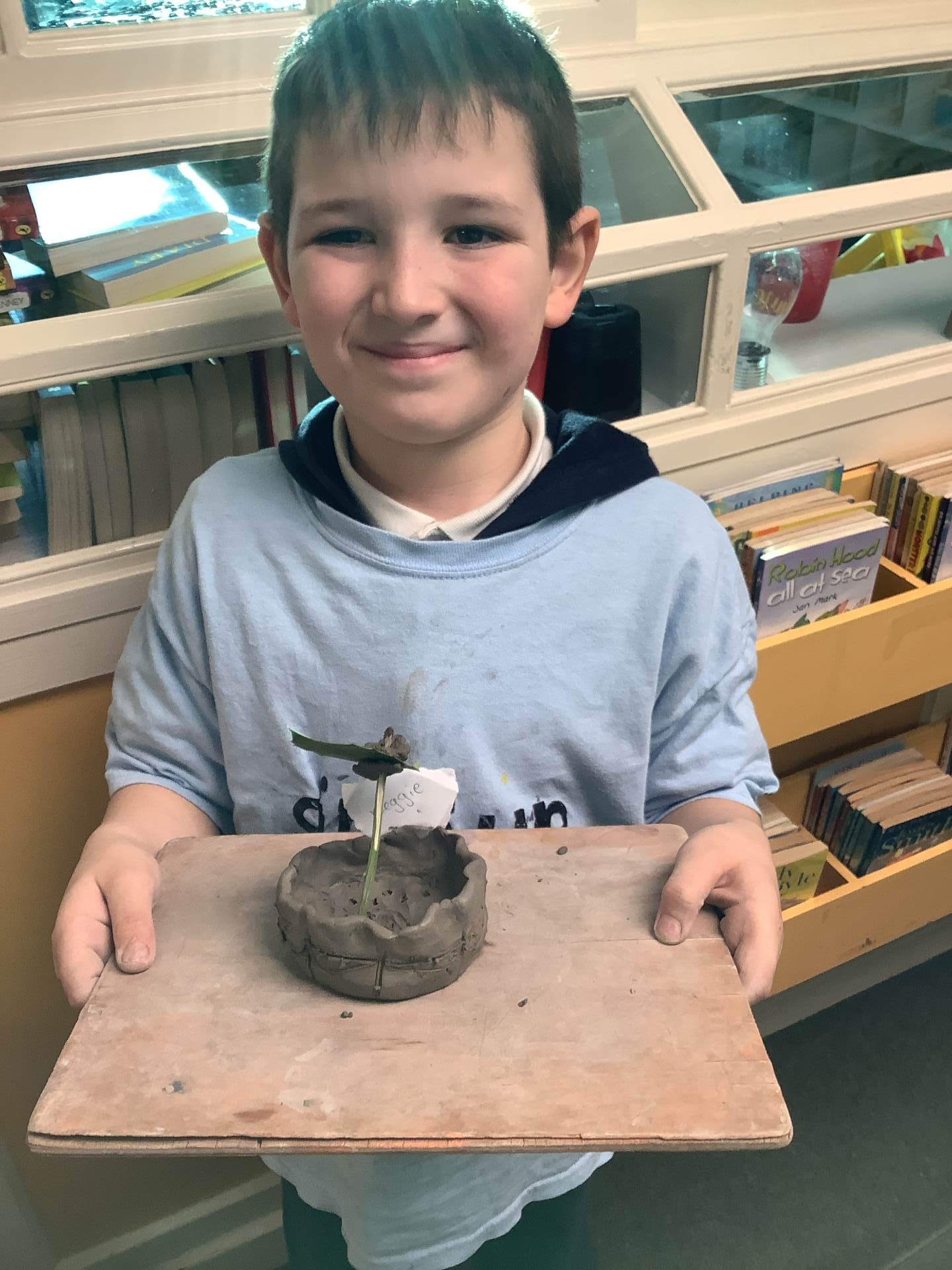
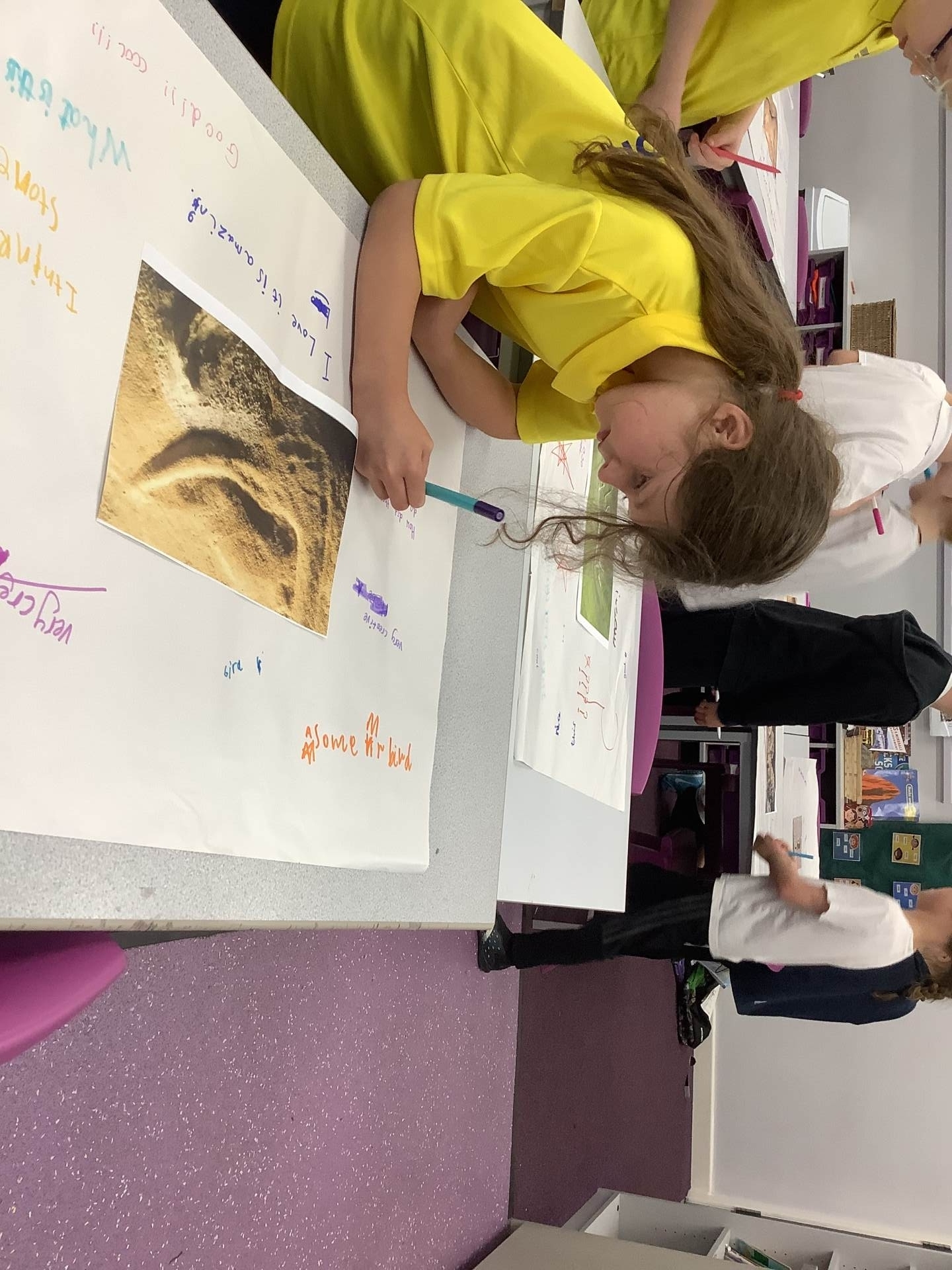
The Intent of Art, Craft and Design at CE Kirkburton First School
The national curriculum intentions of the teaching and learning of art, craft and design:
Art, craft and design embody some of the highest forms of human creativity. A high-quality art and design education should engage, inspire and challenge pupils, equipping them with the knowledge and skills to experiment, invent and create their own works of art, craft and design. As pupils progress, they should be able to think critically and develop a more rigorous understanding of art and design. They should also know how art and design both reflect and shape our history, and contribute to the culture, creativity and wealth of our nation.
The national curriculum for art, craft and design aims to ensure that all pupils
Key stage 1
- to use a range of materials creatively to design and make products
- to use drawing, painting and sculpture to develop and share their ideas, experiences and imagination
- to develop a wide range of art and design techniques in using colour, pattern, texture, line, shape, form and space
- about the work of a range of artists, craft makers and designers, describing the differences and similarities between different practices and disciplines, and making links to their own work.
- Pupils should be taught:
Key stage 2
Pupils should be taught to develop their techniques, including their control and their use of materials, with creativity, experimentation and an increasing awareness of different kinds of art, craft and design.
Pupils should be taught:
- to create sketch books to record their observations and use them to review and revisit ideas
- to improve their mastery of art and design techniques, including drawing, painting and sculpture with a range of materials [for example, pencil, charcoal, paint, clay]
- about great artists, architects and designers in history.
“You can’t use up creativity. The more you use, the more you have.”
Maya Angelou
The Implementation of Art, Craft and Design at Kirkburton CE First School
Documents
Art Discipline Coverage 2025-27
Art Skills Progression 2025-27
Key Stage One Knowledge Organisers
-
KS1 - Art - Colour Mixing
download_for_offline
download_for_offlineKS1 - Art - Colour Mixing
- KS1 - Art - Painting Skills - Autumnal Trees download_for_offline
download_for_offlineKS1 - Art - Painting Skills - Autumnal Trees
- KS1 - Art - Pattern Printing download_for_offline
download_for_offlineKS1 - Art - Pattern Printing
- KS1 Art - Amazing Animals download_for_offline
download_for_offlineKS1 Art - Amazing Animals
- KS1 Art - Human Figure Sculpture download_for_offline
download_for_offlineKS1 Art - Human Figure Sculpture
- KS1 Art - Mixed Media Sunflowers download_for_offline
download_for_offlineKS1 Art - Mixed Media Sunflowers
- Willow Rowan Art - Animal Charcoal Drawing download_for_offline
download_for_offlineWillow Rowan Art - Animal Charcoal Drawing
Year 3 Knowledge Organisers
-
Sycamore Class - Art - Clay Sculpture - Thumb Pots
download_for_offline
download_for_offlineSycamore Class - Art - Clay Sculpture - Thumb Pots
- Sycamore Class - Art - Painting Tropical Birds download_for_offline
download_for_offlineSycamore Class - Art - Painting Tropical Birds
- Sycamore Class Art - Primitive Drawing download_for_offline
download_for_offlineSycamore Class Art - Primitive Drawing
Year 4 Knowledge Organisers
This area will list documents from the Art/Year_4 folder.
Folder= Art/Year_4. Sort order= AZ. Show date= n. Show search= n. Layout = boxwithpreview.
-
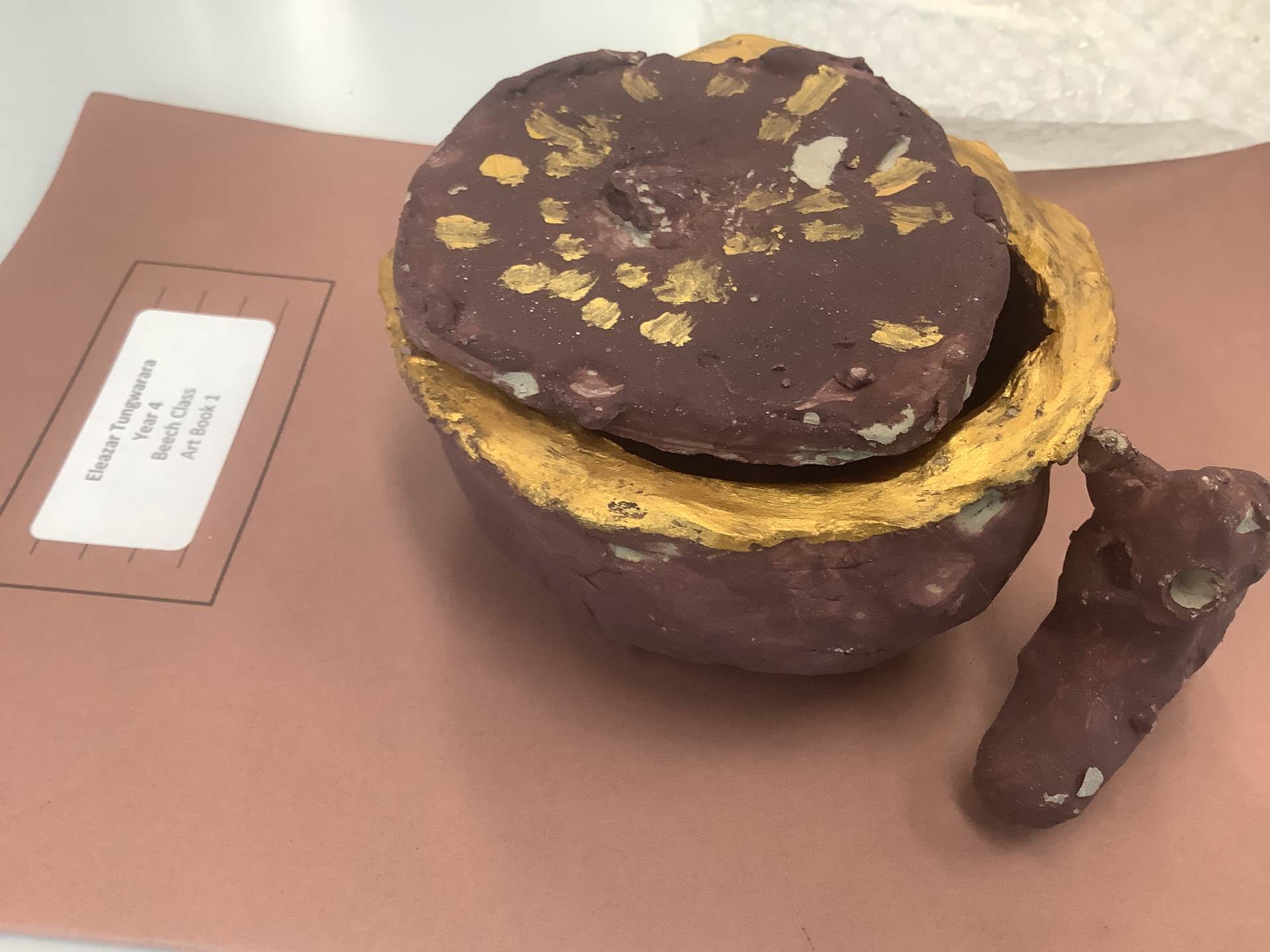
Beech Class - Art - Clay Sculpture - Canopic Jars
download_for_offline
download_for_offlineBeech Class - Art - Clay Sculpture - Canopic Jars
- Beech Class Art - Over Printing download_for_offline
download_for_offlineBeech Class Art - Over Printing
- Y4 Art - Watercolour Painting download_for_offline
↑download_for_offlineY4 Art - Watercolour Painting
Year 5 Knowledge Organisers
-
DT - Year 5 Summer 2 - Textiles - Embriodery
download_for_offline
download_for_offlineDT - Year 5 Summer 2 - Textiles - Embriodery
- Holly Class Art - 3D Collage Cityscapes download_for_offline
download_for_offlineHolly Class Art - 3D Collage Cityscapes
- Holly Class Art - Architectural Drawing download_for_offline
download_for_offlineHolly Class Art - Architectural Drawing
Organisation and Planning
Art, craft and design at Kirkburton First School is taught according to the year group guidance as outlined by the 2014 National Curriculum. In early years art, craft and design is taught in line with guidance taken from both the statutory EYFS and the non-statutory ‘Development Matters’ documents.
For more information on how art, craft and design is taught in reception, please see our early years policy and early years curriculum overview.
For years one and above, art, craft and design is planned in conjunction with design and technology with the two subjects taught on a half termly rotation meaning that by the end of each school year children in each year group should have been taught three half termly units based on art, craft and design and three units based on design and technology. To ensure the correct level of coverage of knowledge of artists, crafts people and designers and acquisition of creative skills, class teachers carefully complete their long term plans, considering opportunities for cross-curricular learning in which new knowledge and skills can be applied and embedded outside of discrete lessons, helping children to develop a broader understanding of the relevance of each subject and its content.
Teachers plan using the whole-school medium-term planning format – the requirement of this is that there is an objective for every lesson along with an outline of the lessons main content. Teachers include the level of detail on their medium-term planning which they find sufficient for themselves to teach or for cover teachers to deliver. There is no requirement for teachers to also complete individual short term lesson plans for the foundation subjects. It is each teacher’s responsibility to judge the level of additional planning that is needed, for example, whether or not any risk assessments need to be completed and signed off.
Continuity and Progression
Class teachers plan the subjects for their year group and then, as part of Key Stage teams, ensure that there is progression within their key stage. The subject leaders ensures there is consistency within the curriculum across school. This is then built into the long-term plan for school. The class teacher, with key stage partners, will ensure that the statutory objectives from the National Curriculum (and the EYFS) have been covered. The subject leader will ensure that all necessary objectives have been achieved by the end of each key stage.
Cross-Curricular Links
In order to achieve an appropriate level of coverage and acquisition of skills, a cross curricular approach has been adopted for the teaching of our foundation subjects. This approach is intended to ensure that foundation subject content is not missed as a result of the time demands rooted in the core subjects. It allows for realistic lesson timetabling while also ensuring that all learning remains purposeful and offers children the appropriate depth of knowledge and breath of skills that they need to inherit from a full and rich curriculum.
So that the profile of the foundation subjects can be raised we hold themed subject weeks and days throughout school which celebrate each of our foundation subjects. It has been proposed that our school’s ‘art day’ takes place on the day of children’s new year group transitions in July when time can be invested in creating beautiful work which can be displayed ready for children’s return to school into their new classes in the following September.
Resources
There is not a set budget for the resourcing of materials for art, craft and design. Instead resources are bought as and when they are needed and where school budgeting will allow. We now have an art resource cupboard stocked with all of the basic drawing, painting and modelling resources needed for the main art lessons taught across all year groups. These resources are pooled and so need to be used sparingly but not to the detriment of the quality of the creative work that children can produce. Most teachers also have a basic range of resources in their own classrooms which include drawing pencils, colouring pencils, rubbers, sharpeners, paints, paint brushes paint pots and pallets. The supply of art resources across school is audited every term and restocked for the start of the following term, where needed.
Inclusion
Teachers set high expectations for all pupils. They will use appropriate assessment to plan challenging work for all groups, including:
- More able pupils
- Pupils with low prior attainment
- Pupils from disadvantaged backgrounds
- Pupils with SEN
- Pupils with English as an additional language (EAL)
Teachers will plan lessons so that pupils with SEN and/or disabilities can study every National Curriculum subject, wherever possible, and ensure that there are no barriers to every pupil achieving.
Teachers will also take account of the needs of pupils whose first language is not English. Lessons will be planned so that teaching opportunities help pupils to develop their English, and to support pupils to take part in all subjects.
Further information can be found in our statement of equality information and objectives, and in our SEN policy and information report.
Health and Safety
There is no requirement for every activity to have a formal risk assessment within art, craft and design. Staff are trusted to use a common sense approach and highlight risks and potential dangers to children as learning develops. Staff and pupils are encouraged to be ‘risk aware’, as opposed to ‘risk averse’ in order to learn effectively.
For activities where there is a risk of a more serious nature, teachers are advised to complete a ‘Curriculum Risk Assessment’ form (template can be found in Staff Shared). These need to be seen and signed by a member of SLT or the art lead. These forms are then kept in the Art Coordinator folder.
The Impact of Art, Craft and Design at Kirkburton CE First School
Due to the creative and practical nature of art, craft and design activities, teachers use a range of recording styles for pupils’ creative work.
In reception, children have open access to creative areas as parts of both the indoor and outdoor provision. In these areas children can freely use resources to explore drawing, mark making, painting, collaging, modelling and making. This exploration is supported by adults who extend children’s ideas and introduce them to new possibilities in expressing these ideas. Children in reception also have directly taught lessons, which usually combine learning objectives from the specific areas of expressive arts and design and understanding the world. These lessons provide children with an introduction to some artists, crafts people and designers, helping them to begin to make cultural links as well as developing early concepts of science and technology.
For more information on how art, craft and design is taught in reception, please see our early years policy and early years curriculum overview.
From year one onwards children use sketch books which they take with them up into their next year group with them. New sketch books are started at the beginning of key stage two. These sketch books, as their name suggests, are predominantly used to practise a variety of drawing skills. Children learn these skills by closely analysing the work of artists and the effect and quality of their drawing skills on a piece of work. Children are encouraged to reflect on and improve their own work before it becomes a finished piece. They use a variety of drawing equipment to do this including sketching pencils, crayons, pastels, chalk, charcoal and graphite.
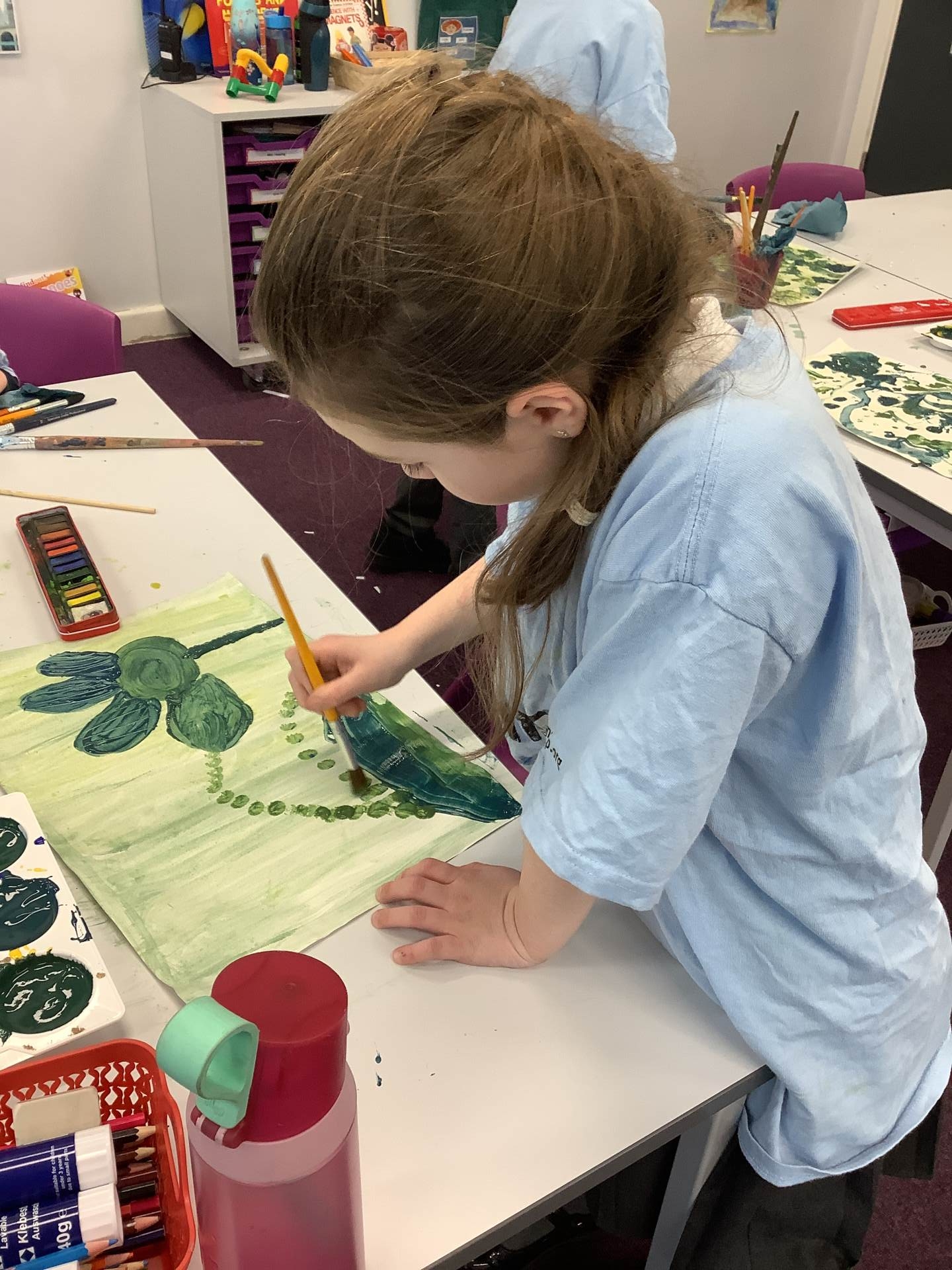
Children create paintings using various types of paints, paint brushes and other painting tools, working on a range of surfaces and at different scales. Similarly with their sketching work, children’s paint work is informed by the skills and styles of artists. Sometimes children will spend time developing a drawing first before transforming it into a painting. Children will often experiment with paint, paint equipment and painted mark making before completing a piece of paint work. Collections of class paintings often become class displays which are photographed by teachers for record keeping.
Within each year group children have opportunities to model and sculpt or to try other craft forms such as weaving and sewing. Children will usually develop a design first before beginning a piece of work and a single piece may be completed over a number lessons. At these lessons progress children will continuously review their creative work and make adaptations and improvements where necessary until their work is finished to the best of their ability and confidence. Similarly with their paint wok, any craft work will be displayed and these displays will be photographed by the class teacher for our creative evidence records.
All teachers support children in their creative learning by repeatedly modelling practical processes as well as using creative vocabulary that is linked with particular skills and styles. Teachers routinely offer verbal feedback to children to support and challenge their creative thinking and practical approaches. Where appropriate teachers may also provide written feedback comments in sketch books to promote children’s critical reflections and improvements of their own work. A summative assessment of children’s creative skills and knowledge is not required.
Monitoring
Monitoring of PE at Kirkburton First School is carried out in a variety of ways. These include but are not limited to:
- ‘Book Look’ scrutiny and feedback.
- Reviewing of long and mid-term planning for art, craft and design including reviewing cross curricular lessons.
- Subject co-ordinator monitoring observations of taught art, craft and design lessons throughout key stages one and two and where appropriate EYFS.
- Peer observations to share good practice and offer professional support to one another.
- Staff surveys/ questionnaires.
- Pupil interviews.
- Holly Class Art - 3D Collage Cityscapes download_for_offline
- Beech Class Art - Over Printing download_for_offline
- Sycamore Class - Art - Painting Tropical Birds download_for_offline
- KS1 - Art - Painting Skills - Autumnal Trees download_for_offline