
Religious Education
The Intent of Religious Education at Kirkburton First School
In Church of England schools, where pupils and staff come from all faiths and none, Religious Education (RE) is a highly valued academic subject that enables understanding of how religion and beliefs affect our lives. At the heart of RE in church schools is the teaching of Christianity and also pupils learning about other faiths and world views.
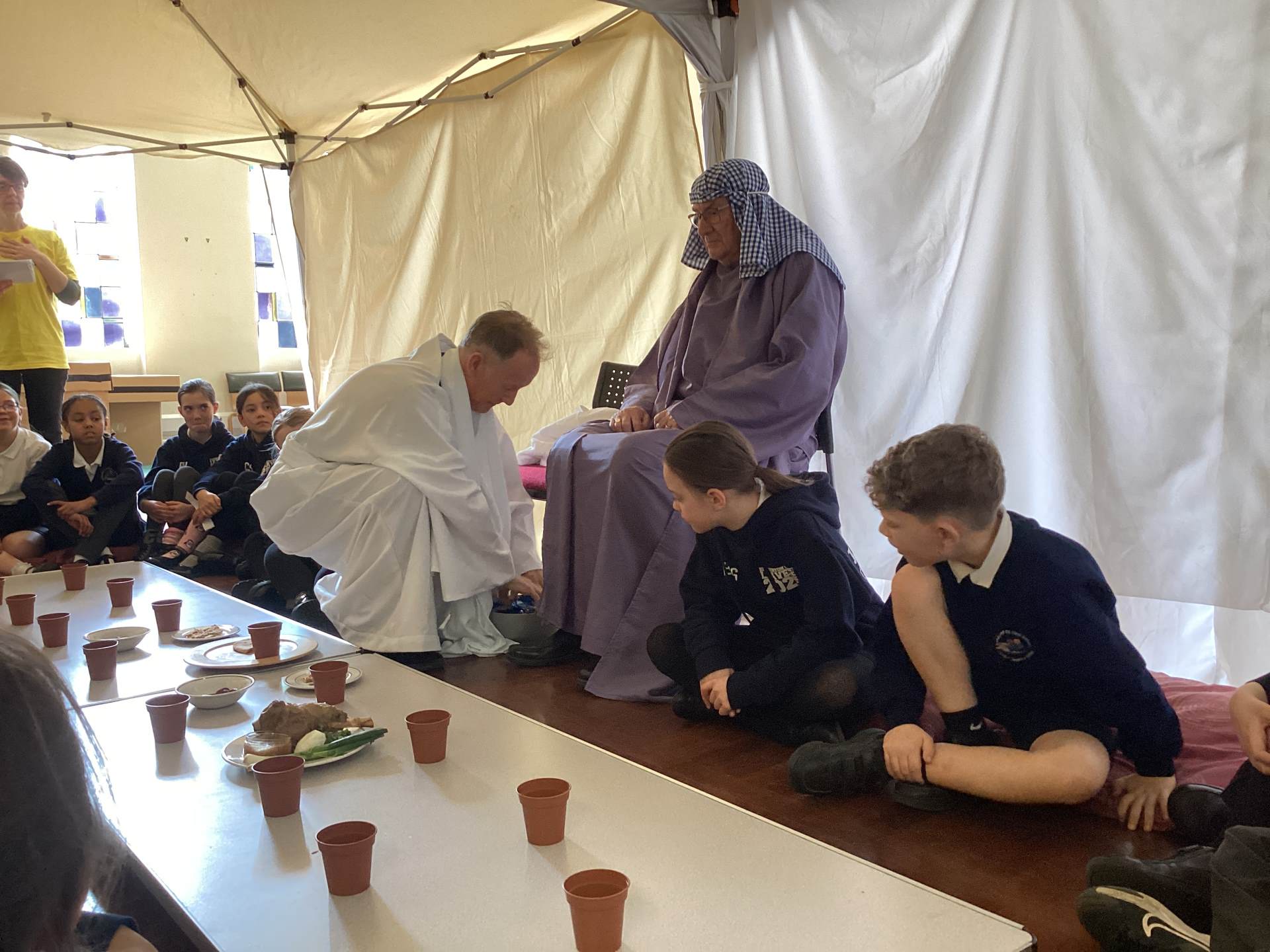
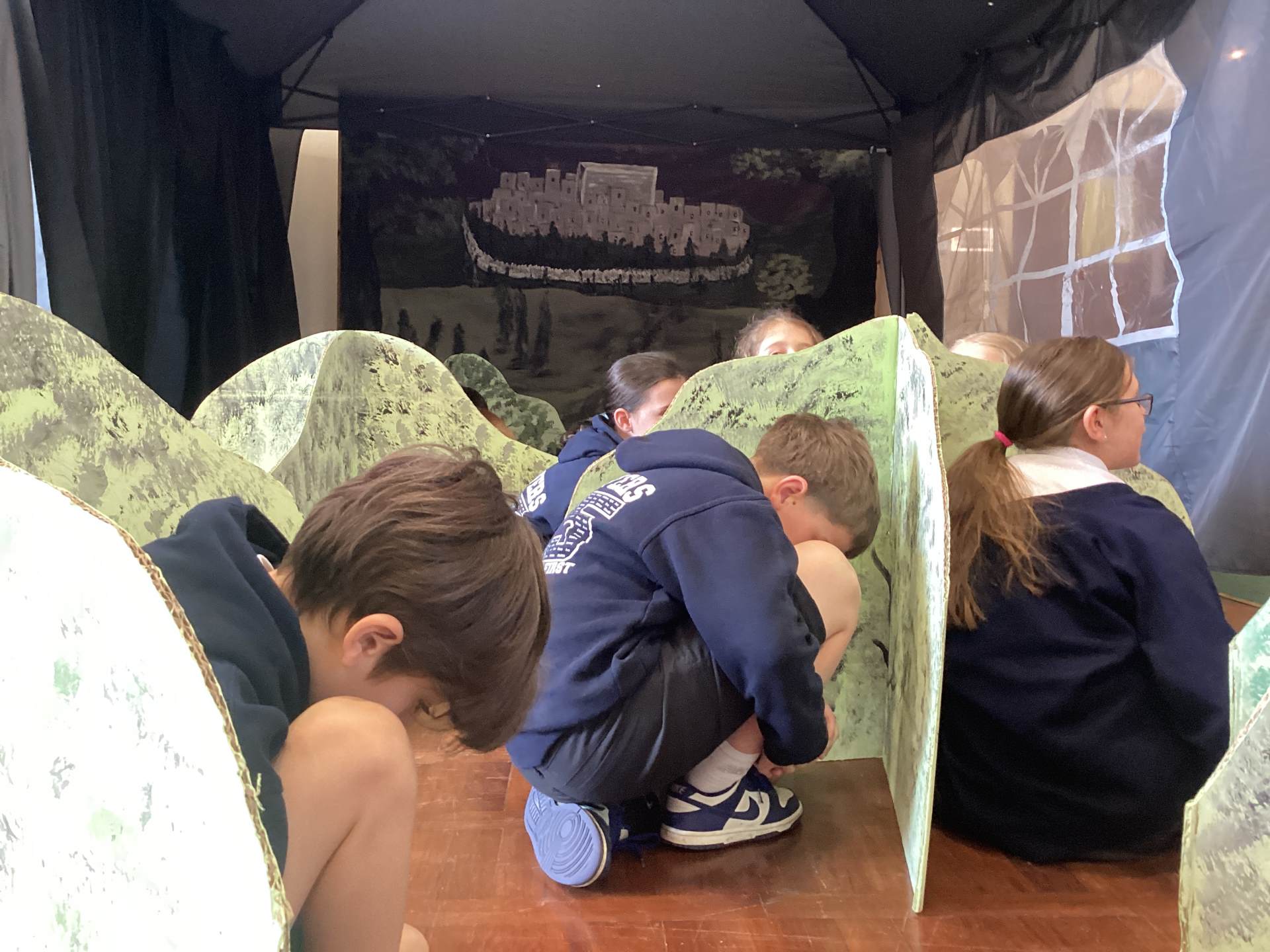
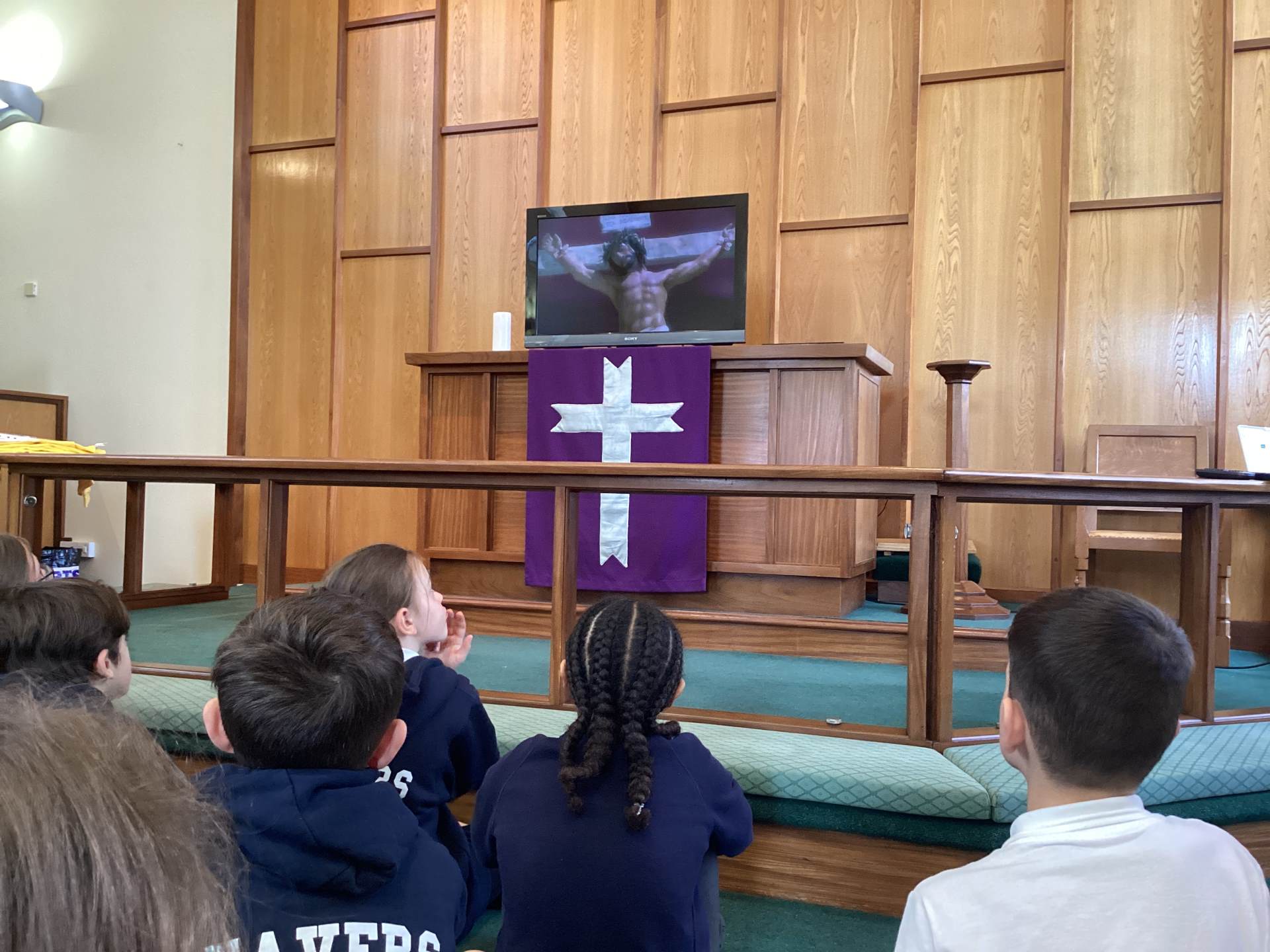
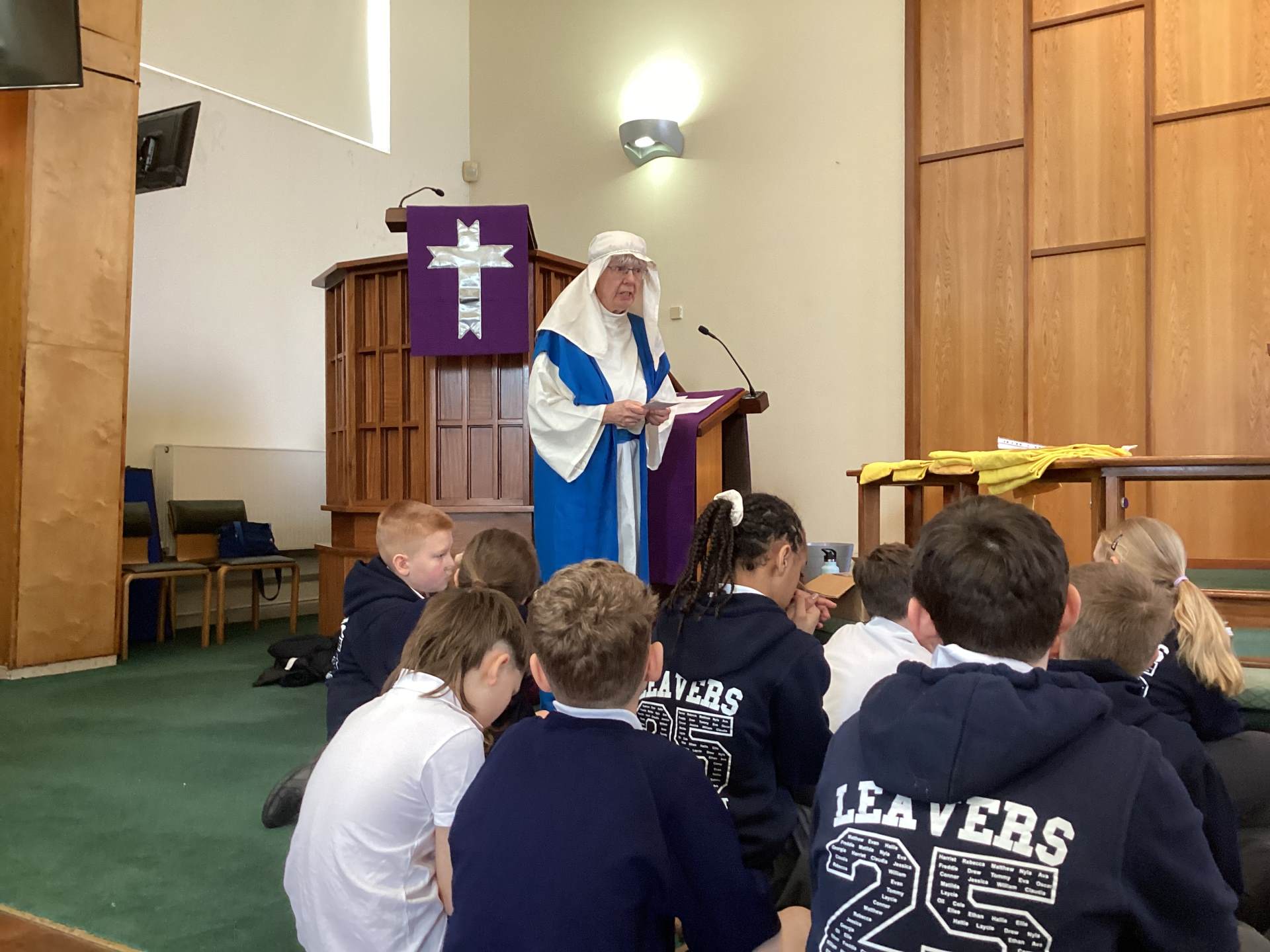
As a Church of England (VA) primary school, our curriculum for Religious Education is firmly rooted in Christianity. In order to provide a broad and balanced curriculum, children have many opportunities to study other world faiths with a particular focus on Islam, Judaism and Sikhism to deepen our children’s understanding of the diverse Kirklees community that we are part of. We recognise the relevance of first-hand experiences to enrich learning so organise visits to places of worship, and invite faith visitors to speak with classes. We also plan whole school themed days in which children are able to engage in a range of creative activities which help them to explore and appreciate a variety of religious celebrations that are significant to others such as Diwali and Eid.
It is important to learn both about and from religion. We believe that RE plays a vital role in teaching children about the world around them as well as raising their curiosity. We want them to look beyond their immediate environment, make connections with other cultures, and celebrate differences.
Through their learning, we want children to recognise Christianity as a global, multi-cultural faith that unites people and can serve as a common good in their local community and across the world.
We aim to widen the children’s knowledge of the ‘Big Story’ of the Bible and the concepts within it so they can understand Biblical texts as a point of reference.
At Kirkburton, we recognise how religious beliefs and non-religious beliefs and worldviews shape the lives and behaviours of followers and we aim to promote positive attitudes towards others that will enhance the spiritual, moral, social and cultural development of our children. We want children to engage with other faiths; to question their own and others’ beliefs. Our RE lessons encourage dialogue and are not intended to promote one religious belief over another but rather develop the children’s awareness of their own beliefs and values.
Through the RE curriculum we strengthen the school values supporting children to become confident, compassionate and informed individuals. These values are continuously reflected upon during our whole school collective worship assemblies and the concepts are explored further within classes to deepen children’s understanding of the relevance of our school values to their own lives.
The Implementation of Religious Education at Kirkburton First School
Religious Education at Kirkburton CE (VA) First School is taught according to the Leeds and York Diocesan Syllabus 2022 . As we are a Church of England School, RE is considered one of our core subjects and its principles are central to our whole school values. Christianity accounts for 50% of our R.E. Curriculum.
RE is timetabled for weekly lessons of one hour and then in addition, children participate in additional RE days or sessions throughout the year.
Please note that, should they wish - parents do have the right to withdraw their child from all parts of the RE Curriculum. We would as that if this is something you are considering, you contact the Headteacher to discuss this request in more detail.
Long Term Plan
In Key Stage One, units are taught in a two year cycle due to mixed-age classes. In Key Stage 2 , units are taught in individual year groups (see Whole school mapping).
Understanding Christianity is the resource used to support the teaching of Christianity across school and teachers have access to the LA syllabus ’Believing and Belonging’ resources to supplement the teaching of other world faiths and thematic studies as outlined in the Leeds and York Diocesan syllabus. Each unit outlines the outcomes of the unit and is organised into three strands which teachers focus the lesson planning around: Making Sense of the Text; Making Connections and Understanding the Impact. The outcomes are taken from the spiral curriculum that Understanding Christianity is built on.
These unit plans are the basis for teachers’ Christianity planning. To supplement the planning, each unit has an ‘Essential Understanding’ section to support teachers in their teaching of Christianity.
Trips and Visitors
Wherever possible, units of learning are enhanced by relevant trips and visitors.
These have included:
- speakers from the Mosque
- Y3 visit to the Gurdwara in Huddersfield
- Hand to Mouth
- Nativity journey (Y2)
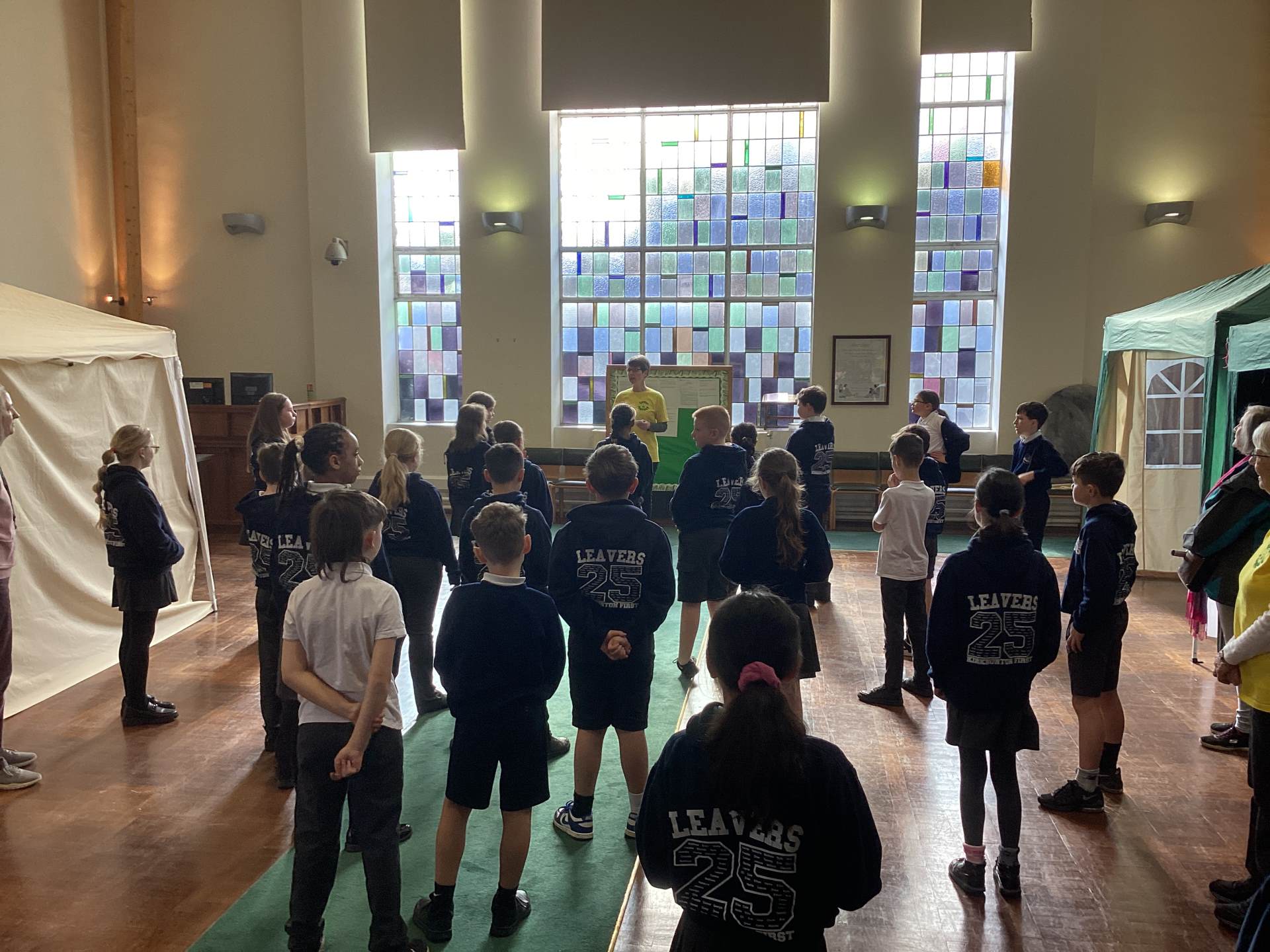
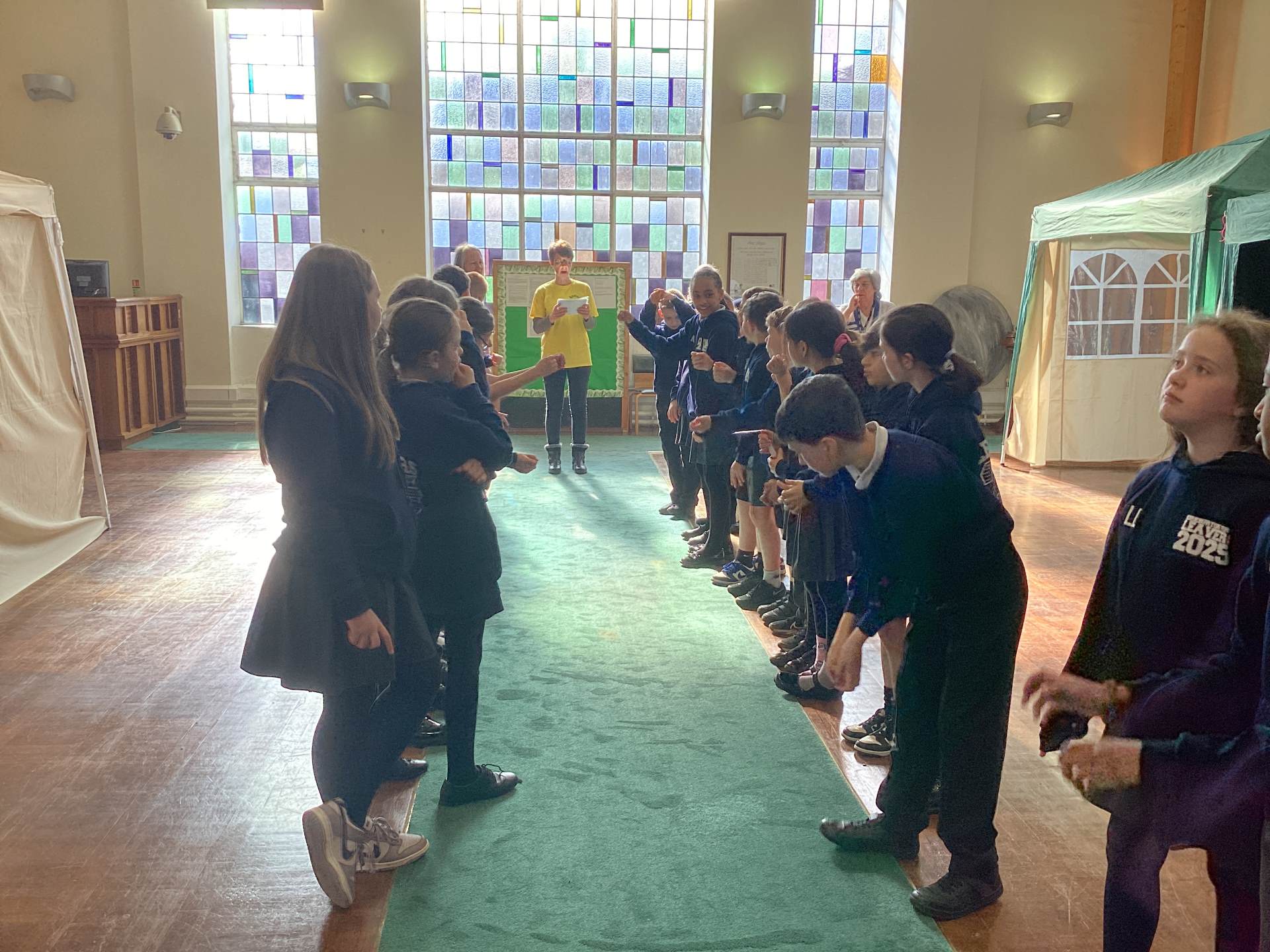
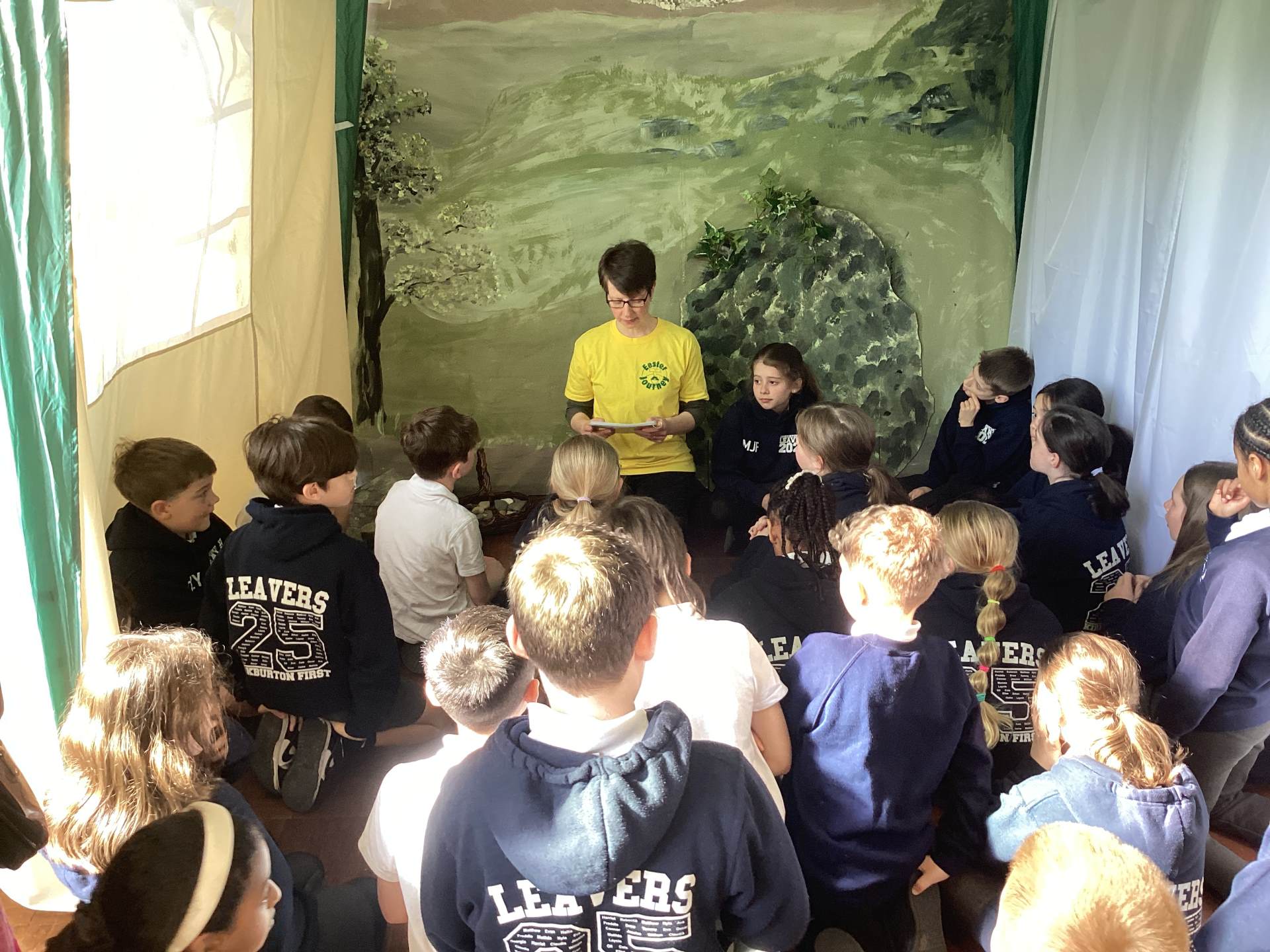
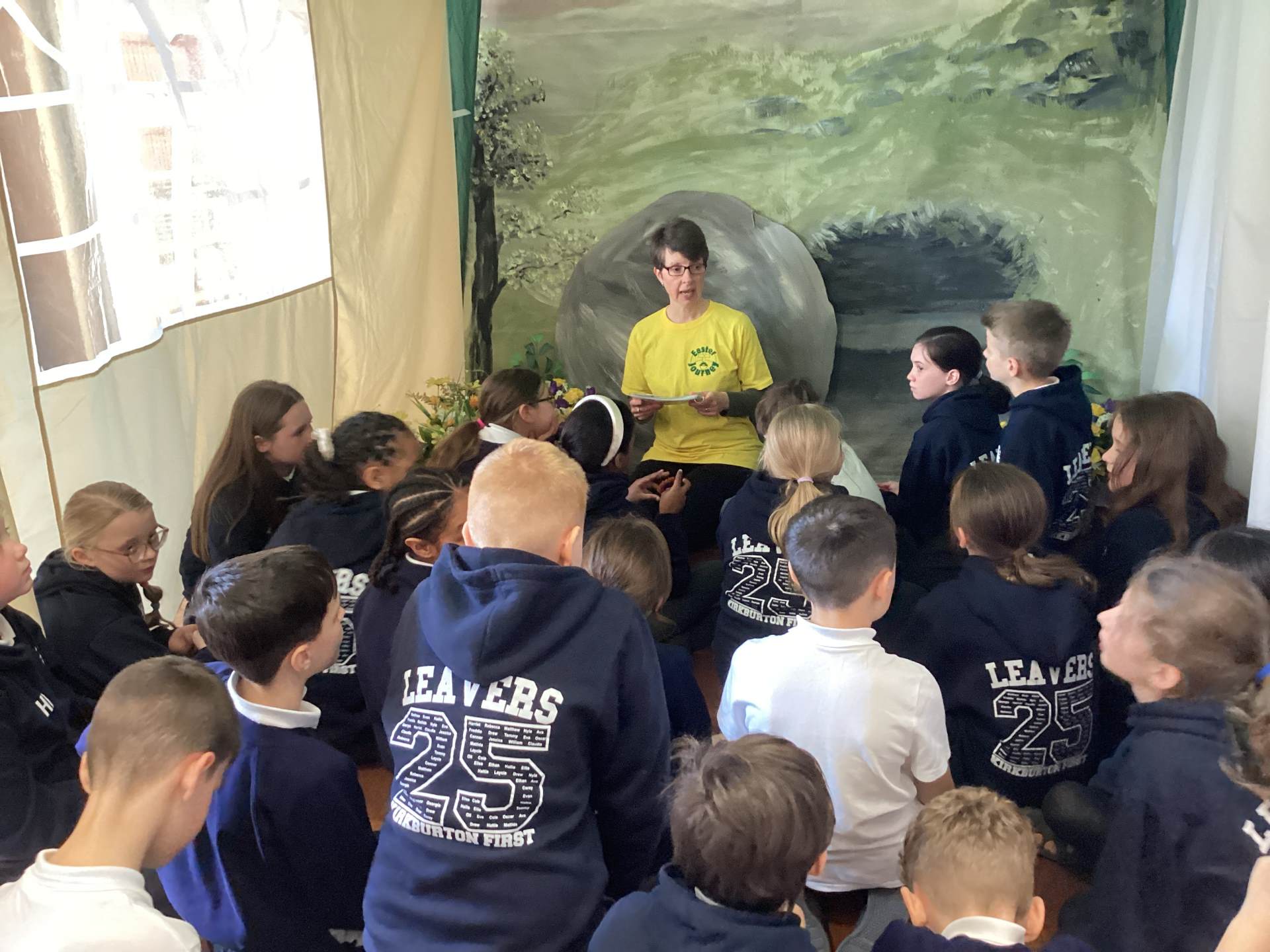
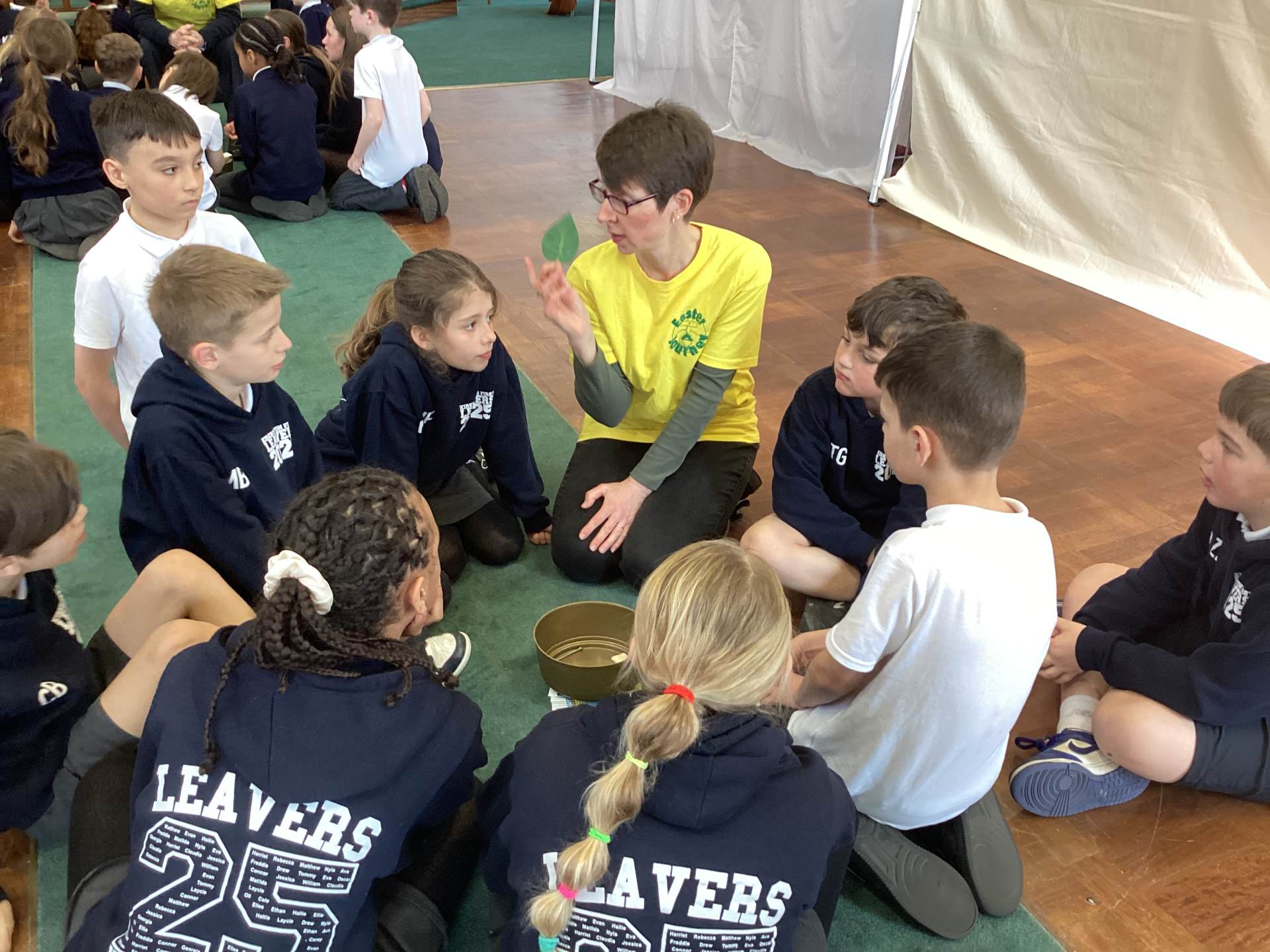
- Easter journey (Y5)
- Bible exhibition
- Visits to All Hallows
- speakers from Huddersfield Christian Fellowship
R.E. Long Term Plan
R.E. Long Term Plan 2025-27
EYFS Documents
FS_Intro-Book-WEB F1_GodCreation_Unit_WEB F2_Incarnation_Unit_WEB F3_Salvation_Unit_WEBKey Stage One
Year 1 Documents
KS1 Incarnation Unit KS1 Salvation Unit KS1 Gospel Unit KS1 Creation UnitYear 2 Documents
KS1 Gospel Unit (Digging Deeper) KS1 Incarnation Unit (Digging Deeper) KS1 Salvation Unit (Digging Deeper) KS1 God UnitYear 3 Documents
LKS2 People of God UnitLKS2 Salvation UnitLKS2 Creation Unit LKS2 Gospel UnitYear 4 Documents
LKS2 Gospel Unit (Digging Deeper)LKS2 People of God Unit (Digging Deeper)LKS2 Kingdom of God Unit LKS2 Incarnation UnitYear 5 Documents
UKS2 God Unit UKS2 Creation UnitThe Impact of Religious Education at Kirkburton First School
KFS SIAMS SEF March 2024.pdfSIAMS report Kirkburton Church of England VA First School 107745 250424.pdfFormative Assessment
Each unit poses a key question which is used as a focus for teaching and learning. At the beginning of each unit children discuss and record their understanding of the key question. This is returned to at the end of the unit when children complete the second part, reflecting on their learning and understanding to give a more in depth response.
Monitoring of PE at Kirkburton First School is carried out in a variety of ways. These include but are not limited to:
• ‘Book Look’ scutiny and feedback.
• Reviewing of long and mid-term planning for Religious education
• Subject leader observations of taught RE lessons throughout the EYFS, key stage one and key stage two.
• Peer observations to share good practice and offer professional support to one another.
• Staff surveys/ questionnaires.
• Pupil voice interviews.